

Disasters can strike at any time, bringing even the most well-run businesses to a sudden stop. Systems go offline, orders freeze, communications stall, and teams scramble to keep up. Whether it’s a cyberattack, power outage, or natural disaster, the impact can be immediate and far-reaching.
The financial costs of downtime are significant. Lost sales, unfulfilled contracts, and penalties pile up quickly. Just as critical, customer trust can erode in an instant. Clients who cannot reach you or who worry about the safety of their data may lose confidence. In today’s social-media-driven world, even one incident can leave a lasting mark on your reputation.
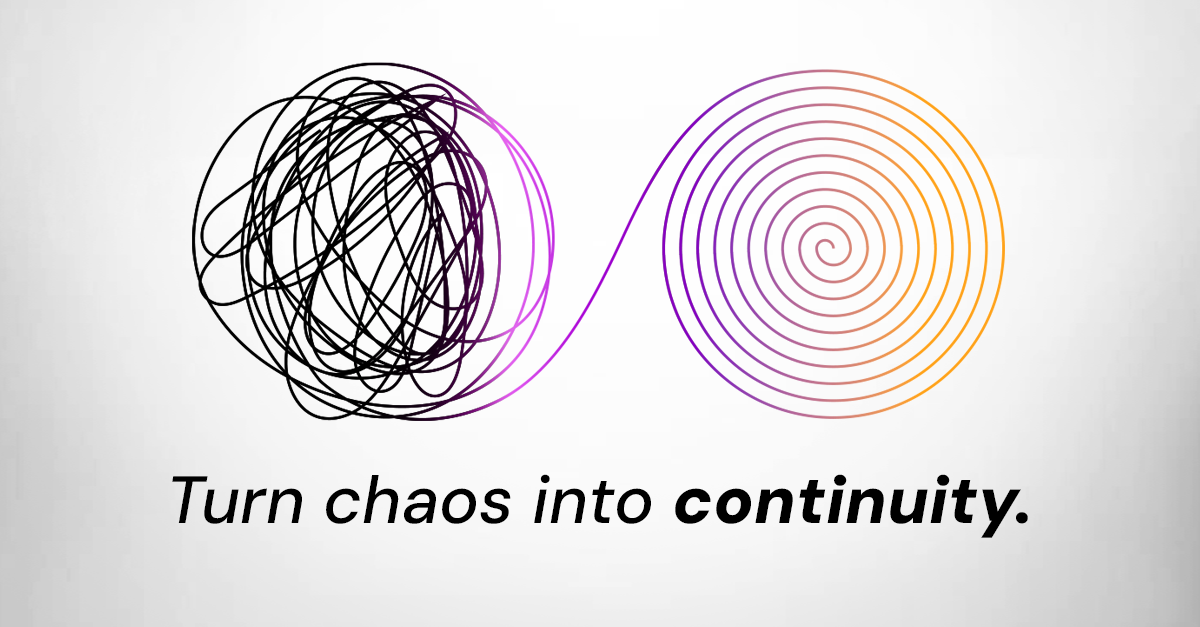
Recovering from a disaster is rarely simple. Restoring systems, replacing hardware, and verifying data integrity takes both time and money. Without a clear plan, precious hours can be lost figuring out what to do next. Disasters do not wait for weekends, holidays, or slow business periods. The key to turning chaos into continuity is a proactive, well-structured strategy.
From Disruption to Continuity
At its core, turning chaos into continuity is about being prepared. Business continuity and disaster recovery, or BCDR, provide a framework for keeping your business running during disruptions and restoring operations quickly afterward.
Business continuity focuses on maintaining essential operations under pressure. It ensures that customer service, logistics, and sales continue even during a crisis. Disaster recovery addresses IT systems, applications, and data, providing a clear roadmap to get everything back online. Together, these strategies form a safety net that transforms potential chaos into ongoing business continuity.
Building a Plan That Works
A strong BCDR plan begins with understanding your business’s critical operations. A Business Impact Analysis (BIA) identifies the functions that cannot afford downtime and helps set realistic recovery goals. Risk assessments catalog potential threats, from cyberattacks to natural disasters, allowing you to prioritize defenses effectively.
The business continuity plan details how each critical function continues during a disruption, while the disaster recovery plan provides step-by-step guidance for restoring IT systems and data. Communication is essential. A plan that clearly defines how information flows to staff, customers, and partners reduces confusion when time is critical. Assigning roles and responsibilities ensures everyone knows what to do, and regular testing keeps your strategy up to date and reliable.
Avoiding Common Mistakes
Even well-designed plans can fail if critical elements are overlooked. Skipping the BIA leaves teams guessing which systems matter most. Treating BCDR as an IT-only responsibility can create gaps across other departments. Relying solely on backups may leave services vulnerable if restoration takes too long. Untested or outdated plans can cause confusion during critical moments. Ignoring third-party dependencies, such as vendors or cloud services, can have serious consequences. Clear roles, responsibilities, and communication plans are essential for turning potential chaos into continuity.
How Expert Support Helps
Even experienced teams may struggle to maintain a fully reliable BCDR plan. Professional IT support can help transform uncertainty into confidence. Experts start with a thorough assessment of critical systems, defining recovery objectives tailored to your business.
They implement tested, reliable solutions—from local backups to cloud-based disaster recovery—and continuously monitor systems to ensure they are ready when needed most. During an outage, experts execute recovery plans and manage communications, helping your business move from chaos to control. Maintaining up-to-date documentation and audit trails ensures regulatory compliance and insurance readiness.
Turning chaos into continuity is not just about avoiding disaster—it’s about building resilience. A strong BCDR strategy protects operations, preserves customer trust, and speeds recovery when disruptions occur. Don’t wait for disaster to strike. Take action today to secure the future of your business and turn potential chaos into seamless continuity.