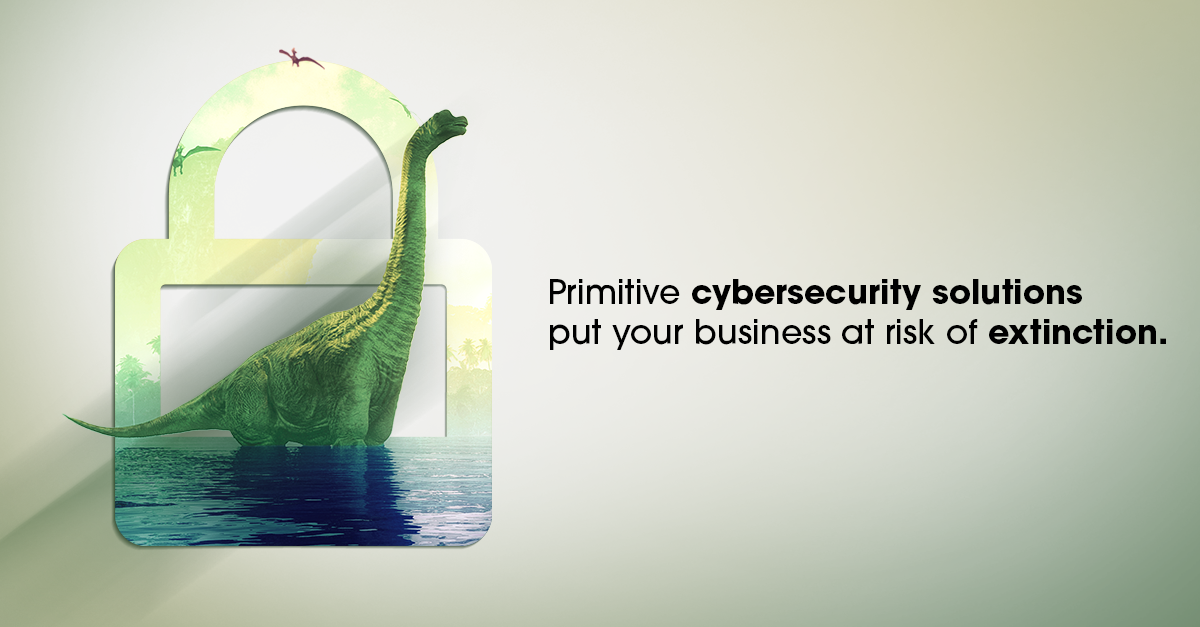
Technology evolves quickly, but cyberthreats evolve faster. Hackers constantly develop new ways to bypass defenses, and if your tools or practices are stuck in the past, your business may be heading for its own ice age.
Think about it: the mighty creatures of the Ice Age seemed unstoppable—until the environment shifted. Frozen in old ways, they couldn’t adapt to the heat of change. Outdated cybersecurity works the same way. Static defenses might look solid, but when modern threats turn up the heat, they crack, crumble, and collapse.
Is Your Security Stuck in the Past?
Even if you feel “protected,” your defenses may be frozen in place. Warning signs of outdated security include:
- Relying on legacy antivirus – Traditional antivirus alone can’t handle today’s sophisticated malware and ransomware.
- Weak or missing MFA – Passwords aren’t enough anymore. Stolen credentials remain one of the top causes of breaches.
- Unpatched systems – Skipping updates leaves behind gaping holes that attackers are quick to exploit.
- Flat, unsegmented networks – One compromise can spread like wildfire, taking down everything in its path.
- No active monitoring – Hackers don’t clock out at 5 p.m. Without 24/7 monitoring, they can lurk silently until damage is done.
If your defenses resemble relics from the Ice Age, you may already be on thin ice.
The Cost of Falling Behind
When cybersecurity defenses freeze in place and fail to adapt, the cracks don’t just cause minor disruptions—they can trigger lasting damage. The first and most devastating blow often comes in the form of data loss. Intellectual property, customer records, and sensitive financial information can vanish or fall into the wrong hands in an instant.
From there, the ripple effect spreads. Locked systems grind operations to a halt, cutting off productivity and revenue while frustrating clients who rely on your business to deliver. Trust, once lost, proves even harder to recover; customers are quick to turn away when they no longer feel their information is safe in your care. And all the while, regulators won’t look kindly on outdated defenses. Compliance failures can bring fines, lawsuits, and a level of scrutiny that few businesses can afford.
Just as the Ice Age gave way to a new era, a single breach can reshape the trajectory of your business forever. Whether you adapt or collapse depends on how quickly you evolve your defenses before the thaw becomes a flood.
How to Evolve Before the Meltdown
The good news is that businesses don’t have to remain frozen in outdated defenses. Modern cybersecurity is built to bend, flex, and respond under pressure, giving organizations the resilience they need to survive in today’s threat landscape.
At the core of this evolution is smarter protection. Next-generation endpoint tools use artificial intelligence to detect and stop threats before they can spread. Strong authentication measures, like multi-factor logins across every account and device, make stolen passwords far less effective. Consistent updates and patch management close the cracks attackers rely on, while network segmentation and zero-trust policies contain the damage even if an intruder slips through.
But technology alone isn’t enough. Around-the-clock monitoring ensures suspicious activity doesn’t go unnoticed, and when paired with a well-prepared incident response, it can mean the difference between a minor disruption and a devastating breach. Equally important is equipping employees themselves—the human layer—with the knowledge to spot phishing schemes and social engineering before they take hold.
In the end, adaptability is what separates those who endure from those who become relics of the past. Cybersecurity isn’t just about defense; it’s about evolution.
Don’t Wait for the Ice to Crack
Businesses that thrive are the ones that evolve with the environment, not against it. Frozen defenses may have worked once, but they can’t withstand the heat of modern cyberthreats.
At Pulse TCG, we help businesses break free from outdated systems and build defenses that evolve as fast as the threats themselves. Don’t wait until your cybersecurity shatters under pressure.